Spinach- Captain of the Leafy Greens

Growing spinach is very easy and something we plant every year at The Home Garden. It matures in about a month and we can plant it multiple times throughout the year. It easy to harvest and can be eaten without much preparation.

Spinach is an edible flowering plant and is a member of the chard and beet family. It is an annual plant and grows to a height of about 12 inches. Its leaves are triangular based and it flowers are a yellow-green color. It can be sold in bunches, bagged, canned or frozen.

Spinach has a high nutritional value and is loaded with vitamins and minerals; 100g provides 400% of daily intake of vitamin K and 25% of daily intake of iron. It does however lose its nutritional value in only a few days, refrigeration can slow its nutritional loss a few extra days. It can last up to eight months when stored in your freezer.

Spinach is thought to have originated in Persia or modern day Iran. Arab traders carried it to India and it was then introduced to China. The earliest recorded use of spinach was around 647 A.D.

There are three main types of spinach, Savoy which is dark green and has wrinkly curly leaves. It is probably the kind you would find at the grocery store sold in bunches in the produce section. Flat or smooth leaf spinach, it has broad leaves and is much easier to clean than Savoy. It is mainly grown for canning or freezing. The last is Semi Savoy; it is a hybrid version of Savoy and its leaves are only slightly wrinkled and it has a much higher resistance of growing up to seed.

Spinach can be planted in early spring as soon as the soil has been prepared. It can also be sown over frozen ground in the fall and will start to germinate in spring as soon as the soil begins to thaw. It can be planted multiple times during the year but will not do well in the heat of the summer.

Spinach should be planted 3-4 inches apart and about ¼ to ½ inch in depth. It will need ample moisture and will need to be watered several times per week. Rows should be about 12 inches apart. Spinach can be harvested in 35-45 days and is best when harvested young and will start to deteriorate when seed stalks start to form.

Spinach has a high nutritional value and is extremely rich in antioxidants, especially when fresh, steamed, or quickly boiled. It is a rich source of vitamin A, vitamin C, vitamin E, vitamin K, magnesium, manganese, folate, betaine, iron, vitaminB2, calcium, potassium, vitamin B6, folic acid, copper, protein, phosphorus, zinc, niacin, selenium and omega-3 fatty acids.

Dill- Much More Than Just an Herb for Dill Pickles

Dill is one of my favorite herbs that we plant at The Home Garden. We use it in salads, on fish, in casseroles, soups and of course when we make dill pickles. Dill has been around a very long time and its history is quite interesting.

Dill dates back as far as 3000 BC where it was found mentioned in Egyptian medical texts. The Romans believed it was a stimulant and it was given to gladiators before they battled in the arenas.

It is native to the Eastern Mediterranean and Western Asia areas and has migrated to almost all parts of the world. It is a member of the parsley family and its leaves, flowers and seeds are edible. It grows anywhere from 18- 42 inches in height and matures in only eight weeks.

Dill is very easy to grow and can be grown from seeds or transplants. When growing from seed, sow seeds nine inches apart in rows twelve inches apart. Seeds should be covered with a ¼ to ½ inch of soil. Dill will grow in most soils and can tolerate dry weather. Dill should be watered once or twice a week and grows best in full sun.

Dill is a great companion plant to cabbage and will improve its growth and health. It does not do well with carrots and will reduce the crop if allowed to bloom. It also attracts beneficial insects such as honey bees which are attracted to its yellow flower.

When fully mature dill will have tiny yellow flowers, its leaves will be kind of feathery and a blue green color. Stems will grow out from the main stock similar to a tree. They will later grow seeds which will be a dark brown color.

Dill has many uses such as in salads, soups and casseroles. But they are primarily known for making dill pickles. Dill has also been used for indigestion, flatulence, hiccups, insomnia, menstrual disorders, respiratory disorders and even cancer.

Dill is very low in Saturated Fat and Cholesterol. It is also a good source of Dietary Fiber, Niacin, Phosphorus, Zinc and Copper, and a very good source of Vitamin A, Vitamin C, Riboflavin, Vitamin B6, Folate, Calcium, Iron, Magnesium, Potassium and Manganese.

Tomatoes- The Most Popular Vegetable in Home Gardens

This year at The Home Garden we planted 16 tomato plants, 8 Roma, 4 Big Boys and 4 Early Girls. Growing tomatoes is one of the easiest vegetables to grow and you can grow them in your garden or in containers. All of our transplants are in the garden and starting to grow. It got down to 40 degrees last night and we had a chance of frost. We have such a big garden it would have been very difficult to cover everything. We planted so many plants because we always seem to run out of salsa about this time of year. We also plan on making, spaghetti sauce and tomato juice. If you haven’t chose your tomatoes for your Home Garden you may want to consider these varieties. I listed some of the characteristics of each varieties and why we chose them.

Roma Tomato- Roma tomato works great in spaghetti sauce or tomato paste because it a much meatier tomato. The tomato is pear shaped with a thicker skin and few seeds. They ripen in 75 days from planting.

Early Girl- We plant Early Girl every year. You can’t ask for faster, better tasting tomato. They produce huge crops of 4-6 oz. fruits and work great for caning. As the name implies they ripen in 52 days from the time of planting.

Big Boy- Big Boy is a sweet, fragrant, red smooth skinned tomato that can weigh up to a pound! It’s a strong grower and very disease resistant. They will produce fruit all summer long and ripen in 78 days from planting.

Asparagus-From the Roadsides to Our Gardens

By The Home Garden

Asparagus can be traced back as far as 200 B.C. Roman emperors would keep a special fleet just to fetch asparagus. Julius Cesar to Augustus prized asparagus. Asparagus can not be tracked back to any specific region but it was known to be native to the Mediterranean area and Asia Minor. It first appears in English print around 1000 A.D.

Asparagus is a hardy perennial and is the only vegetable that grows wild along roadsides and railroad tracks in many parts of the country. It is difficult work to establish an Asparagus bed but the results will be worth it. It is one of the first vegetables to be ready in the spring.

Asparagus are either male or female. The female producing seeds and males producing a larger thicker spear and have less of a weeding problem. New all male hybrid varieties are now available and are becoming very popular. Chose your varieties carefully because they may last 30 years.

You can start planting whenever you can work the soil. Asparagus should be planted about 9-12 inches apart. The root will grow out horizontally instead of vertically and as the plant gets older the stems will become thicker. They should be fertilized as you would the rest of you garden.

You are going to have to wait 3 years before you can harvest asparagus and only for one month that year, normally in June. After the fourth year you can harvest as you wish. As asparagus grows the biggest problem will be weed control. Weeds will prevent the new asparagus sprouts from maturing.

Asparagus is low in calories and has an abundant amount of vitamins A and C. it is also a great source of folate and has a good amount of fiber. The top one inch of the stem end will need to be removed before it can be eaten. Asparagus can be eaten raw, steamed, grilled (my favorite), roasted or added to salads and casseroles.

Heirloom Tomatoes and Five Different Tomato Varieties

At The Home Garden our first garden was just tomatoes. They were very easy to grow and take care of even though we didn’t really know anything about them; we just bought what was at our garden center. Since then we try and purchase varieties we like and from time to time try new ones. I did not know the difference between a hybrid and heirloom.

Heirloom tomatoes, also known as “heritage” tomatoes, are tomatoes whose seeds have been openly pollinated and passed down from one generation to the next since 1940 or earlier.  Many heirloom tomato varieties offer traits that have been bred out of hybrid commercial tomato varieties, giving them characteristics and flavors that you won’t find in tomatoes grown from non-heirloom seeds.  Heirloom tomato varieties have adapted and thrived for sometimes hundreds of years, creating genetically unique strains that do not suffer from the blandness that is evident in some hybrid strains.

A tomato’s origin is an important part of it being classified as an heirloom tomato.  Commercial heirloom tomatoes must have been in circulation for at least 50 years in order to qualify, while family heirlooms need to have been passed within the family for several generations.  It is possible for hybrid tomatoes to qualify as heirlooms, but they must be a hybrid of two known tomato heirloom strains and then be openly pollinated for up to 8 years or more to remove the hybridization from the resulting strain.  Heirlooms are top tomatoes, and it’s not possible to create new heirloom strains without an investment of time.

Growing heirloom tomatoes is generally quite easy, as heirloom seeds come from strains that have adapted to their environments and stood the test of time.  As tomato heirlooms are often cultivated organically through the generations, they may require a bit more insect prevention and care than some hybrid strains as they have not had pest and disease resistance bred into them.  Most heirloom strains can thrive with very little extra care, however, and any effort that is put into them will be repaid with plentiful and delicious tomatoes when the harvest comes around.

Heirloom tomatoes can vary greatly in color, size and taste; “Big Rainbow” heirloom tomatoes bear large yellow fruits with red swirls and are generally mild and sweet, while “Brandywine” heirloom tomatoes are pink and offer a more robust (yet excellent) tomato flavor.  Other popular varieties include “Black Krim” and “Cherokee Purple” heirlooms that are so dark that they appear almost black, and “Mortgage Lifter” heirlooms that are purported to have once produced a crop of large pink fruits that were delicious and plentiful enough to save a family farm.

10 Year Project Finally Finished

A 10 year project at The Home Garden has finally been completed. We have a small side yard that we just never really knew what we should do with it. We tried to plant flowers and shrubs but the weeds would always seem to take over.

One thing I have learned being on acreage is grass is your friend. In the beginning I thought I should have a lot of different landscape areas. They may contain shrubs, flowers, maybe a tree or two. My thinking was less grass to mow. But what I learned was more weeds to pull, and most of the time they just got out of control.

So now I have actually been reducing all of those landscape areas so I have more grass. Grass is so much easier to take care of. But make no mistake I still love flowers and shrubs. I have just been reducing the size a little so there easier to take care of.

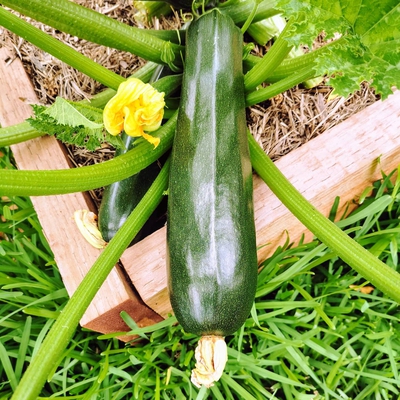
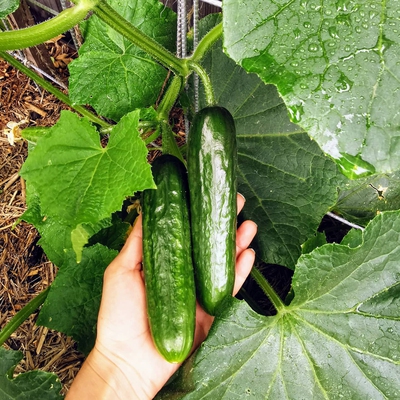
We are still waiting to plant tomatoes, peppers, cucumbers, zucchini, and green beans. There is still a slight chance of frost and the ground is just a little to cold. We have purchased all of the transplants and will keep them inside until the weather cooperates.

We purchased 16 tomato plants, 4 more than last year, 9 pepper plants, 2 cucumber plants and one zucchini plant. We also tripled the amount of onions that we had last year. We really like making salsa and we were way short on onions. This is the recipe we use;

12 cups of tomatoes, ½ cup jalapeno, 5 cloves of garlic, 4 cups of green peppers, 4 whole onions, 1/16 cup cilantro, 1 ½ tablespoon of salt, ¼ cup of sugar and ¼ cup of vinegar.

You can play around with the recipe by leaving the seeds in with the jalapenos to make the salsa hotter or adding a little more vinegar. It’s really up to you and your tastes. Check out the canning recipes, salsa for complete details on how to make salsa.

It’s Time to Start Planting Our Garden

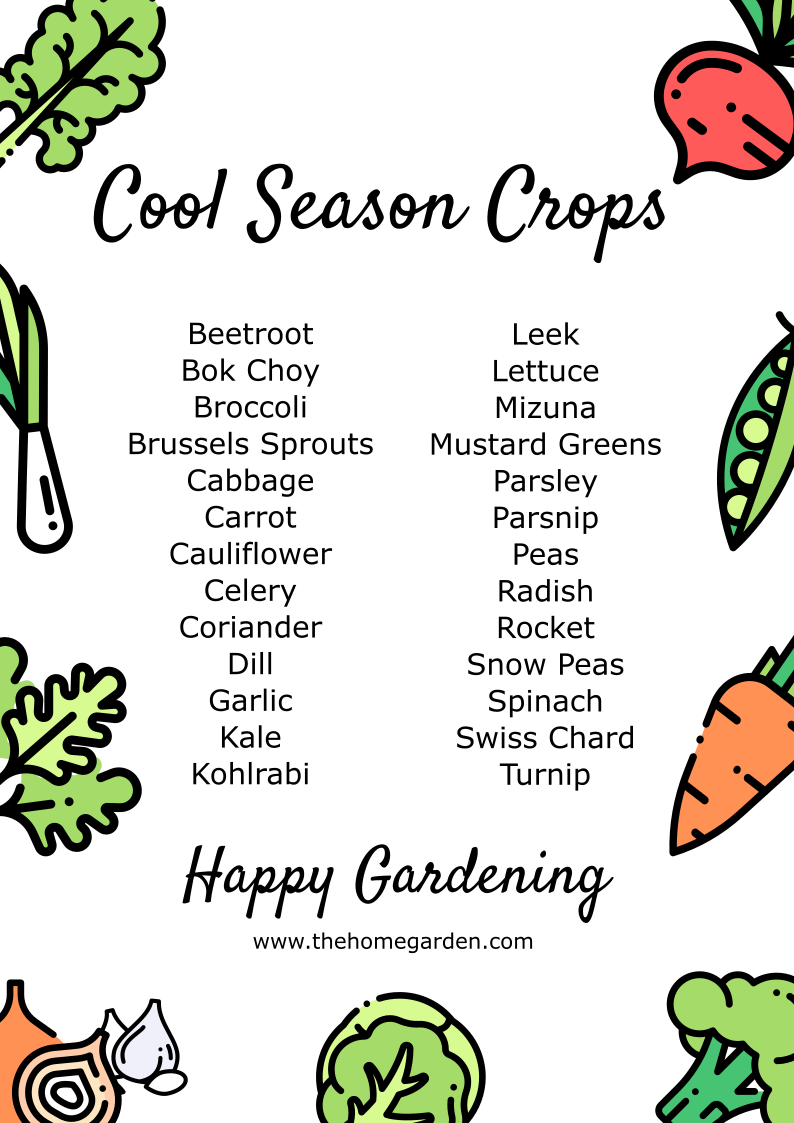
Finally it’s warm enough at The Home Garden to start planting our garden. Today we planted most of the cool weather vegetables, lettuce, spinach, radishes, kohlrabi and turnips. We have never planted turnips before so I an excited to see how they turn out.

I also planted dill and asparagus today. We have always had dill planted but I’m not sure what happened to it because it did not come up this year. It’s a perennial so it comes up every year. I planted four plants because we always seem to run out.

What I am the most excited about however, is the asparagus. It is also a perennial so it will come up every year for 20-30 years. It actually grows on roadsides in parts of the country. When you plant it in your garden you should plant it on the outer part of your garden because it lasts so long.

You can start planting whenever you can work the soil. Asparagus should be planted about 9-12 inches apart. The root will grow out horizontally instead of vertically and as the plant gets older the stems will become thicker. They should be fertilized as you would the rest of you garden.

You are going to have to wait 3 years before you can harvest asparagus and only for one month that year, normally in June. After the fourth year you can harvest as you wish. As asparagus grows the biggest problem will be weed control. Weeds will prevent the new asparagus sprouts from maturing.

Asparagus is low in calories and has an abundant amount of vitamins A and C. it is also a great source of folate and has a good amount of fiber. The top one inch of the stem end will need to be removed before it can be eaten. Asparagus can be eaten raw, steamed, grilled (my favorite), roasted or added to salads and casseroles.

6 Helpfull Tips on Planting Trees

Colorado Blue Spruce

Last November we purchased five pine trees for my sons wedding, two white pines, two tannenbaum pines and a Colorado blue spruce. We used them as decorations in their wedding. I was a little concerned after we purchased them because it got very cold and started snowing the early part of December. Normally in December we could still plant trees but this year (2009) frost had set in making impossible to any planting.

My main concern was the shock the trees would take, going from twenty degrees to about seventy and then back outside to twenty degrees again. I’m happy to say they all made it through the long winter we had and they look great. My project for today is to finally plant them.

I have planted over 100 trees at our home and here are a few things I have learned along the way.

1) Remove any wire mesh that may surround the root ball and also the burlap that may cover it. I know they say you can leave it on, but I have found my trees grow faster when I remove it. I think they can become a little root bound.

2) Don’t plant your tree to deep. There is kind of a knob at the base of the tree and that should remain above the soil. If you don’t the tree probably will not grow or the growth becomes stunted.

3) I usually dig the hole about 4-6 inches bigger than the diameter of the pot it came in and loosen the soil up at the bottom to give the roots somewhere to go. Also score the roots of the tree before planting.

4) I used to add fine black dirt and compost when I planted a tree, but I noticed they never grew much. After a couple of years I could still actually pull them out of their hole, like they were still in their pot. Now I always use original soil and get much better results. Make sure there are no air pockets around the roots after planting.

5) If you plant a large tree you may need to stake them for a year or two. I now plant trees less than six feet and rarely stake them, they seem to catch up to the larger ones anyway.

6) Water everyday for 5-7 days then weekly for a month or so and then as needed. Mulching around the tree will help keep moisture in the soil and will keep the wind from drying it out to soon.

Grape Tomato- The Journey To Our Gardens

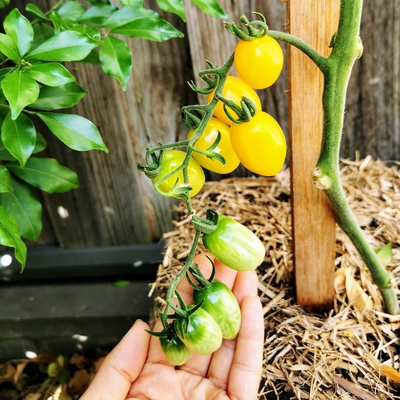
Every year at The Home Garden we plant grape tomatoes. They are smaller and sweeter than cherry tomatoes. Their skins are a little thinner than cherry tomatoes making them a little easier to eat. Their journey to our gardens is quite interesting.

Once and a while a new vegetable or fruit becomes very popular, such was the case with the hybrid strain of the grape tomato. The original tomato plants produced a plum sized tomato and the only way to make the larger and rounder sizes we are used to today was to cross breed them, making them a hybrid.

Tomatoes were also cross bred to make them smaller, such as the cherry tomato and then even smaller to make the popular grape size tomato. Cherry tomatoes when cut or bit into tended to spray water out of them; they also had thin skins making them a little difficult to work with. The demand for a smaller, meatier and sweeter tomato was what led to the development of the grape tomato.

The grape tomato did meet this demand because it was smaller, had less water in it and was much sweeter. It also had a thicker skin like a Roma tomato. It became so popular it was being used as a snack type food almost like peanuts. One of the first strains to make it to the United States was a strain from Taiwan and this variety was called the Santa F1. Hybrids can only be grown from seed and the seed from the tomato itself will not yield the same plant. It requires the original seed to produce the same tomato plant, creating a high demand for the seed.

The grape tomatoes grow in clusters similar to grapes and should be picked as a cluster. However if you pick them when they are green they will not ripen on their own, they need to ripen on the vine. They grow much the same as other tomatoes needing full sun and a rich soil. They should be planted 21/2- 3 feet apart. When watering it is best to deep water them to get down to the roots instead lightly watering everyday. Keeping the water off the leaves will also help prevent fungus from starting. Fertilizers rich in phosphorus and potassium should be used.

As they mature they will become quite top heavy and will need to be supported with some sort of support such as a cage. They mature in about 70 days and will not produce fruit when the temperatures are above 95 degrees or below 55 degrees. Blights and fungus can develop when there is high humidity. Grape tomatoes can grown in your garden and also do well in containers.

Plant some grape tomatoes this year you won’t be disappointed, they are sweeter and smaller than cherry tomatoes and the skins are a little thinner making them a little easier to eat. Add them to salads or just eat them off the vine they are great!

I Love Springtime

Fall has always been my favorite time of year, work slows done a little and the temperature starts to cool down and I love all the fall sports. But spring is slowly starting to become my favorite, temperatures start warming (especially after the winter we had) and there is such a regeneration of things.

I really enjoy watching as the first plants start to peak their way out of the soil. It’s like their checking to make sure everything is okay for them to come out. Then when the tulips and daffodils’ start flowering it really starts to get exciting. As the trees start budding I patiently wait for my fruit trees to start flowering, it is such a beautiful sight.

I enjoy the first time I hear mowers running and the smell of the first cutting of grass. Everyone is out working in their yards or walking their dogs, it’s kind of like we are bears in hibernation all winter and we can finally come out into the warmth of spring.

Spring is also a time for animals to birth their young. We have a small pond on our acreage and I especially enjoy watching as mallard ducks and geese raise their young. The young ducks and geese follow their mothers as if they had a string attached, if she turns right they turn right, if she goes into the water they follow, never questioning and always trusting.

Very soon I will be tilling the garden and getting it ready for seeding and transplants. I can already taste my first salad of lettuce, spinach and radishes. I enjoy eating salads but when they come out of your own garden, you just can’t believe the taste difference. As I was checking out my fruit trees I noticed little seedlings of lettuce from last year coming up and also cucumber seedlings, there must have been seeds left over in the soil. I try and rotate all my vegetables each year so I probably will have to till the lettuce up but I think I will try and save the cucumbers, I can always move them.

 Page 1 of 2  1  2 »