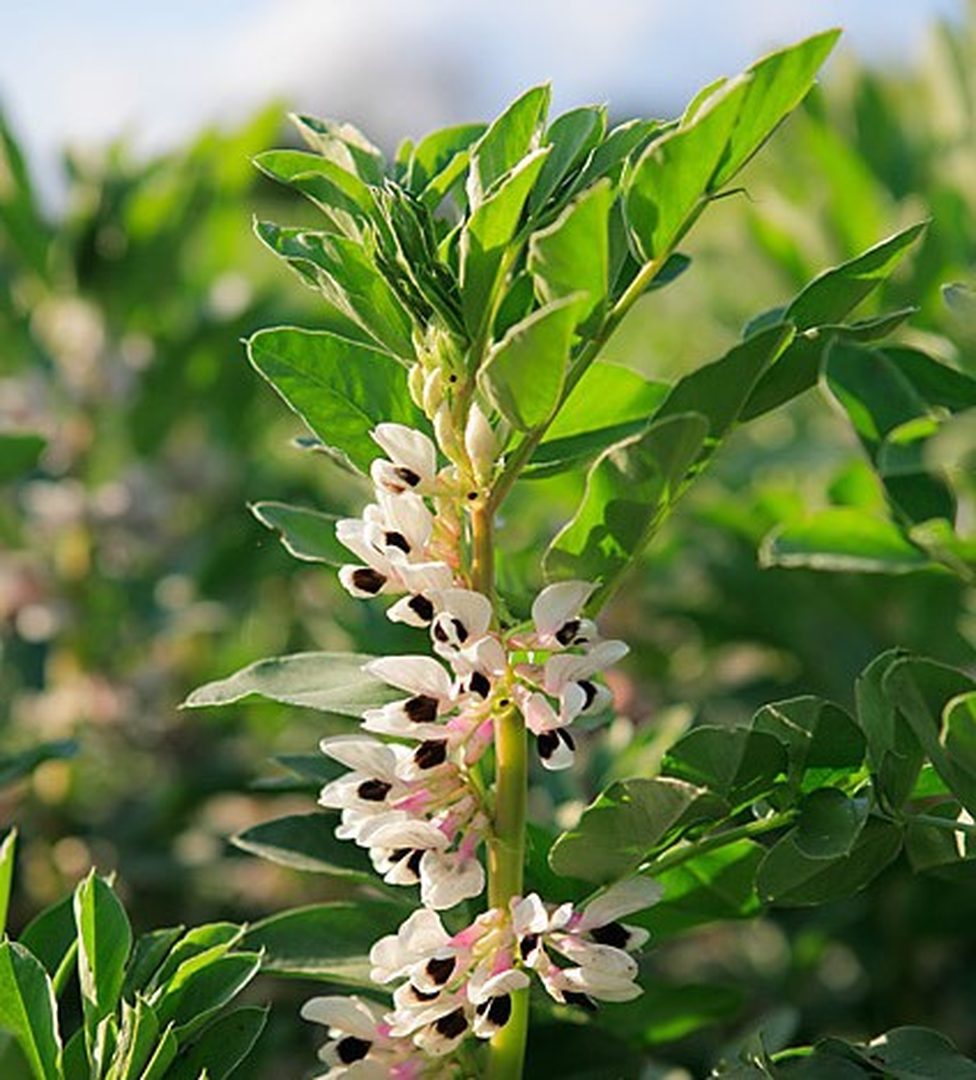


Broad Beans grow best in loose, well-drained soil. Add compost or well-rotted manure before planting. Avoid heavy clay or waterlogged soil.
A guide to growing Broad Beans, including sun requirements, spacing, planting, feeding, and when to harvest.
 Soil
What soil is good for Broad Beans?
 Position
How much sun do Broad Beans need?
Broad Beans grow best in full sun. They can handle part sun, but the yield will be smaller.
Protect your Broad Beans from strong winds. Wind can damage the plants and reduce pod growth.
 Frost Tolerant
Are Broad Beans frost tolerant?
Broad Beans can handle light frosts. If a hard frost is forecast, protect plants with frost cloth.
 Spacing
How much space do Broad Beans need?
Space broad bean seeds 40 cm apart. If you grow more than one row, leave 60 cm between rows. This gives each plant enough room to grow and makes harvesting easier.
 Planting
When should I plant Broad Beans?
Plant broad beans in autumn. If you live in a cold climate, plant in spring instead.
Broad beans grow best between 4.4°C (40°F) and 24°C (75°F). They will not survive below 4.4°C or above 24°C.
Sow seeds 5 cm (2 inches) deep.
If you use seedlings, plant them out on an overcast day or in the evening. Avoid hot sun or strong wind. Water the seeds or seedlings well after planting.
 Feeding
What do I feed Broad Beans?
Broad Beans are light feeders. They fix their own nitrogen, so avoid high-nitrogen fertilisers. Before planting, mix in plenty of compost and aged manure.
Mulch the soil well with straw or bark to keep moisture and suppress weeds.
 Harvesting
When can I harvest Broad Beans?
Harvest broad bean pods when they feel full and firm, but before the beans inside look large and pale.
Test a pod by squeezing it. If you feel the beans pressing against the pod, pick it.
Pick pods regularly, this encourages more pods to grow.
Harvest in the early morning when the pods are crisp.
 Pests
What pests do Broad Beans get?
Broad bean plants can be affected by a range of sap-sucking insects, mites, leaf-tunnelling larvae and soil-dwelling pests. Regularly inspect the leaves, tender growing tips, flower buds and developing pods for signs of damage. Pay particular attention to the undersides of leaves and the soft upper shoots, where many pests shelter and feed.
Aphids (such as Black Bean Aphid or Cowpea Aphid): Small, soft-bodied black, green or grey insects that form dense clusters on tender growing tips, flower buds and the undersides of leaves, sucking sap and causing curled, stunted foliage and sticky honeydew. Pinch out heavily infested growing tips once pods start forming, blast colonies off with a strong jet of water, encourage natural predators like ladybirds and hoverflies and use insecticidal soap if infestations persist.
Capsid Bugs (Mirids, such as Green or Crop Mirids): Small, active sap-sucking bugs that pierce young shoots, flower buds and developing pods, causing small holes and distorted, tattered new leaves. Keep the garden free of flowering weeds that act as host plants, encourage natural predators like spiders and assassin bugs and hand-pick bugs early in the morning when they are sluggish.
Cutworms: Caterpillars that live in the topsoil and feed at night, chewing through newly emerged broad bean seedlings right at soil level. Place cardboard or plastic collars around young stems when planting, and clear weeds and plant debris from beds before sowing.
Slugs and Snails: Soft-bodied molluscs that feed at night, chewing ragged holes in leaves and young seedlings, leaving silvery slime trails behind. Hand-pick them at night with a torch, set up beer traps or scatter iron-based organic pellets around vulnerable plants.
Leafminers (such as Serpentine Leafminer or Native Leafminers): Fly larvae that tunnel between the upper and lower surfaces of leaves, leaving pale, winding trails that reduce plant vigour. Pinch off and bin affected leaves as soon as trails appear, and hang yellow sticky traps nearby to catch egg-laying adults.
Thrips (such as Onion Thrips or Plague Thrips): Tiny, slender insects that scrape and suck sap from leaves, flowers and young pods, causing silvery streaks, bronzed patches and distorted growth. Keep plants well watered during dry spells, spray foliage with water to reduce numbers and use insecticidal soap where necessary.
Root-Knot Nematodes: Microscopic soil-dwelling worms that attack broad bean roots, causing distinctive swellings and galls that restrict water and nutrient uptake and lead to stunted, yellowing plants. Rotate crops annually, avoid planting in known infested beds and enrich soil with plenty of compost to encourage beneficial soil organisms.
Spider Mites: Tiny sap-sucking mites that thrive in warm, dry weather, feeding on the undersides of leaves and causing fine yellow speckling, bronzing and fine webbing. Keep plants well watered as weather warms up, blast the undersides of leaves with water to dislodge them and apply horticultural oil or insecticidal soap if needed.
Prevention and Care: Check the soft growing tips, flower clusters and undersides of leaves each week for early signs of pest activity. Keep garden beds free of weeds and fallen debris that harbour bugs and slugs, encourage predatory insects with nearby companion flowers and pinch out the soft top shoots once lower pods have set to discourage aphids. Avoid broad-spectrum spraying, as this harms beneficial insects—such as ladybirds, lacewings and parasitic wasps—that help keep broad bean pests under control naturally.
Tip: Pinching out the soft top 5 to 10 cm of broad bean stems once the first few sets of flowers have formed into pods not only encourages the plant to put energy into filling out pods, it also removes the tender new growth where black aphids love to gather.
 Diseases
What diseases do Broad Beans get?
Broad bean plants can be affected by a range of fungal, viral and soil-borne diseases, particularly during cool, damp winter and spring weather or when plants are crowded together. Regularly inspect the leaves, stems and developing pods for spots, rust pustules, fuzzy mould or distorted growth. Pay particular attention to lower leaves and shaded inner stems, where moisture lingers and fungal infections often start.
Chocolate Spot (Botrytis fabae): The most common fungal disease of broad beans in Australia, starting as small reddish-brown spots on lower leaves and pods during cool, wet weather that can rapidly merge into blackened, collapsing foliage. Space plants well for good airflow, water at the base rather than overhead, remove infected lower leaves early and clear away all crop debris after harvest.
Rust (Broad Bean Rust): A fungal disease that develops in mild, humid conditions, producing small, powdery reddish-brown or orange pustules surrounded by pale yellow haloes on leaves and stems, leading to premature leaf drop. Avoid overhead watering, space plants for airflow, remove infected leaves promptly and practise crop rotation.
Ascochyta Blight (Leaf and Pod Spot): A seed- and stubble-borne fungal disease that creates circular tan or grey spots with dark borders and tiny black dots in the centre on leaves, stems and pods during wet weather. Sow certified disease-free seed, avoid saving seed from affected plants, rotate crops and bin infected plant debris.
Downy Mildew: A water-mould disease favoured by cool, damp weather, causing pale yellow patches on upper leaf surfaces and a greyish-purple fuzzy growth on the undersides, often distorting young shoots. Space plants for good airflow, water at soil level, remove infected shoots or plants promptly and rotate crops annually.
White Mould (Sclerotinia Stem Rot): A soil-borne fungal disease that attacks stems and pods in cool, wet, overcrowded beds, producing water-soaked lesions covered in cottony white fungal growth with hard black resting bodies inside stems. Space plants widely for airflow, avoid overwatering, pull out and bin affected plants immediately and rotate legumes out of the bed.
Powdery Mildew: A fungal disease that forms white, powdery patches on leaves and pods—usually later in spring as days warm up while nights stay cool—causing leaves to yellow and die back early. Space plants for good airflow, keep soil moisture steady at the base and remove heavily affected leaves.
Fusarium Root Rot (and Collar Rot): Soil-borne fungal diseases that attack roots and lower stems in heavy, waterlogged or compacted soil, causing dark, sunken root lesions, yellowing lower leaves and wilting. Improve soil drainage with organic matter, avoid overwatering, plant in raised beds if soil stays wet over winter and rotate crops.
Mosaic Virus (such as Bean Yellow Mosaic Virus or Pea Seed-Borne Mosaic Virus): Viral diseases spread by sap-sucking aphids and infected seed, causing light-and-dark green mottled patterns, leaf curling, stunted growth and distorted pods. Control aphids early with water sprays or insecticidal soap, pull out and bin infected plants immediately and sow certified virus-free seed.
Prevention and Care: To reduce the risk of disease, plant broad beans in well-draining soil enriched with compost and space plants well apart so air can circulate freely through the foliage. Always water at the base of the plant rather than wetting the leaves, support tall plants with stakes and twine to keep stems upright off damp soil and rotate legumes to a different garden bed each year. Remove and bin diseased leaves or whole plants rather than adding them to the compost heap.
Tip: Chocolate spot is the number-one broad bean disease Australian backyard growers encounter over winter and spring. Giving plants plenty of breathing room, staking them so they do not flop onto wet soil and removing spotted lower leaves early keeps minor spotting from turning into a full-plant blight.
 Notes
Is there anything else I need to know about Broad Beans?
Both the beans and the plant shoots are edible. Harvest young shoots in spring and add them to salads or stir-fries. Beans can be eaten raw or cooked.
 Troubleshooting
How do I troubleshoot my growing problems?
Broad Bean plants may need protection from strong winds.