Pest and disease control is an essential component of any vegetable garden, and sometimes the use of sprays is necessary to combat stubborn pests and diseases. Commercial pesticides often contain toxins that can negatively impact our health and the health of our environment. The chemicals found in pesticides can leave nasty residue on fruit and vegetables or even worse absorb straight in to them. Pesticides can also accumulate in the soil, harming beneficial soil life as well as beneficial insects and wildlife.
It's not all bad though! The good news is, organic pesticides/insecticides are non-toxic and effective ways of controlling and eliminating many pest and disease issues that many arise in your home garden.
Insecticidal Soap Spray
Insecticidal soap sprays are very effective in controlling sap-sucking insects such as Aphids, Spider Mites, Whitefly and Thrips. Soap sprays are also effective on the larvae of many other insects.
Add 2 tablespoons of cooking oil and half a teaspoon of mild dish soap to 1 litre of water and shake well. The combination of the soap and oil will suffocate these pests. Spray onto plants, focusing on the underside of leaves. Repeat in a week to ensure any newly hatched pests are also eliminated.
Garlic Spray
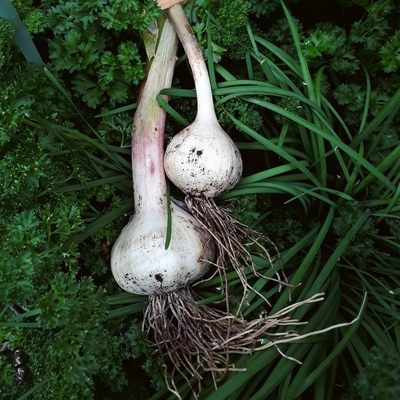
The scent of garlic works as a great deterrent to many pests. Crush or blend an entire head/bulb of garlic, add the blended garlic to 1 litre of hot water and allow it to sit for 24 hours. Strain the garlic out and add the garlic water to a spray bottle, add 2 tablespoons of cooking oil and a few drops of mild dish soap to help the garlic water stick to the leaves. Spray onto plants, including the underside of leaves. The soap and oil will suffocate small sap sucking pests that are present on the plant and the garlic will deter new pests from approaching your plants.
Baking Soda Spray
Baking Soda Spray is beneficial as both a preventative and control method against Blight and Powdery Mildew. Baking Soda works by creating an alkaline environment, so that Powdery Mildew and Blight cannot colonise on the surface of the leaves. Plants can be sprayed fortnightly with this solution.
How to apply:
1. Mix 1 tablespoon of Baking Soda with 1 gallon of water.
2. Mix in 3 tablespoon of cooking oil of your choice. This helps the spray stick to the leaves.
3. Mix in a few drops of mild dish soap to help emulsify everything. It is important to use a gentle dish soap so that you don't burn your plants or harm the fragile soil life.
4. Spray the entire plant until the leaves are dripping, don't forget to spray the underside of the leaves.
Always do a patch test on your plants before spraying.
Milk Spray
Milk sprays work wonders on Powdery Mildew and can be used as both a preventative and control method. Spray plants with a ratio of 30% milk to 70% water. Don't worry if your ratio is a little off, the spray will still work with a lower dilution of milk and a higher milk concentration won't harm your plants. Spray the leaves including the undersides, stems and base of the plant. As a control, re-apply every 10-14 days.
Botanical Oils
Botanical oil sprays are comprised of a combination of plant oils which are effective in eliminating certain pests from your garden. These sprays are sold in most local nurseries and hardware stores.
Premixed Insecticidal soap sprays can also be purchased from most local nurseries and hardware stores.
Caution:
Always spray in the early morning or evenings as spraying in the heat of the day can significantly harm your plants.
It's always beneficial to do a spot test on a few leaves before spraying the entire plant. Do not spray newly germinated or newly transplanted seedlings.
If overused, any sprays (particularly Baking Soda sprays) can harm your plants, causing significant damage to the leaves. Baking Soda sprays can also have negative effects on dry or drought-stressed soil and should only be used in gardens that are watered on a regular basis.
 Beneficial Insects
 Waste Management
 Watering
 Soil Health
 Organic Fertilizers







 Spacing
 Crop Rotation
 Diversity
 Weeds
Weeds
 Manual Control
 Organic Pesticides and Fungicides


 Repellents & Traps

 Exclusion
 Additional Planting