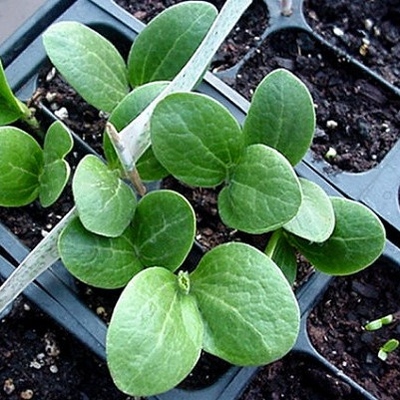
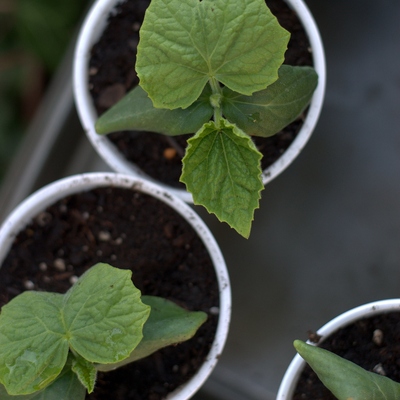
When transplanting seedlings, it’s important to consider where they were grown prior to planting and where you will be transplanting them to. For example, if seedlings were grown indoors or purchased from a nursery, they would have been sheltered from a full days sun. When it comes time for them to be planted outdoors, it’s very important to introduce them to their new environment gradually otherwise they will go into transplant shock (this gradual transition process is often referred to as 'Hardening Off').
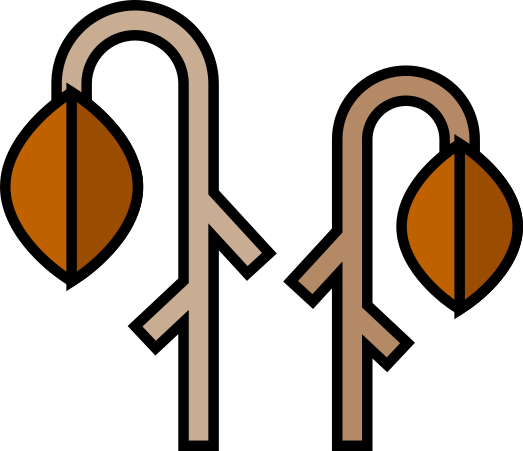
Without a gradual exposure to a full days sun, transplants will wilt and even die. You can avoid transplant shock by taking your seedlings out gradually, for example, one hour of morning sun the first day, two hours the second and then slowly creeping up the exposure to a full days sun from there. After a week or so, seedlings should be ready for planting out.
You can also directly transplant your seedlings into the ground and use a shade cloth or cardboard box to provide relief from the sun, particularly during the hottest parts of the day for the first week or two.
Seeds that have been directly sown into the ground do not require hardening off when they emerge as they have already adapted to the environment. They will however require protection from any harsh weather conditions which may arise.
Transplant seedlings on a calm, overcast day if possible. Late afternoon is also a good time as plants are able to recover from the shock of transplanting without having to deal with the harshness of the midday sun. If you don’t get an ideal transplanting day and the weather is hot and sunny, shade the plants until the sun goes down.
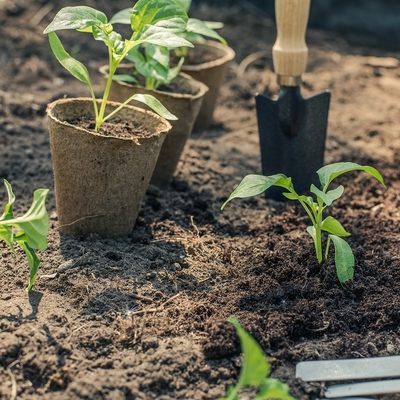
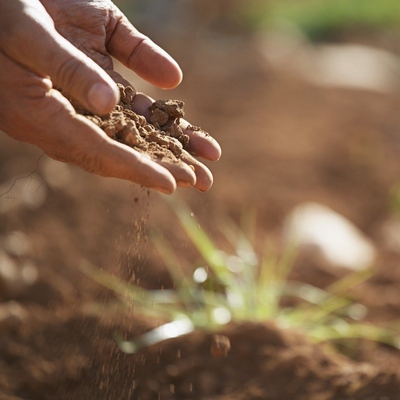
When transplanting, your garden soil should be moist but not soggy. The planting hole should be at least twice as wide as the root ball and deep enough so the transplant is at the same depth in the ground as it was in the pot.
If the plant does not come out of the container easily, press on the bottom or roll the edges of the container gently between your hands to loosen the soil. Support the stem by placing the palm of your hand on the surface of the soil, with the stem gently between your two fingers in a ‘scissors’ position. This will help you turn the pot upside down to remove the plant without damaging the stem.
If the root ball looks root bound (like the roots are tightly wrapped, mirroring the shape of the container), gently loosen the roots with your fingers. This will help the roots branch out into the soil. Try to keep as much of the original soil as intact as possible so not to stress the plant too much.
If the seedlings are tangled together by their roots and you would like to separate them, remove them from the pot and place the entire root ball into a bucket of water. Gently wash off the excess soil so that you can untangle the roots.
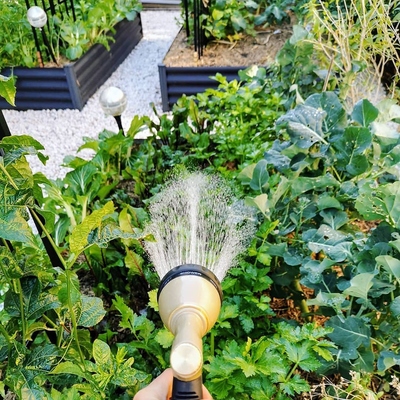
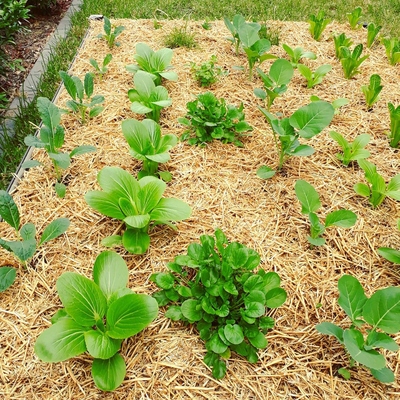
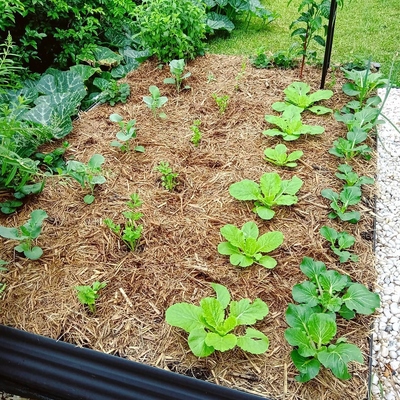
Once you have planted your seedlings into the soil, water them in well with some seaweed solution. Seaweed helps the plants recover from the transplant and also helps the roots get off to a good start. Keep the bed moist but not wet for the first week or two so that the seedlings can establish themselves.
 Sun Exposure
 Sun Requirements
 Soil Preparation
 Seasonal Planting
 Transplanting seedlings
 Avoiding Transplant Shock
 Watering
 Mulch
Mulch
 Beneficial Critters
 Pollination
 Hand Pollination