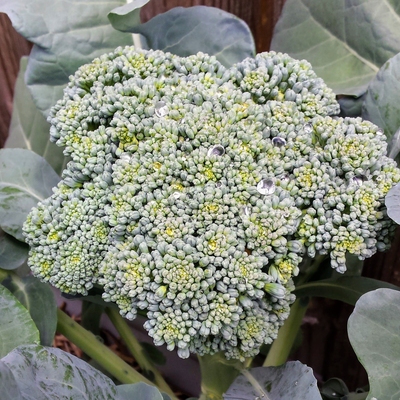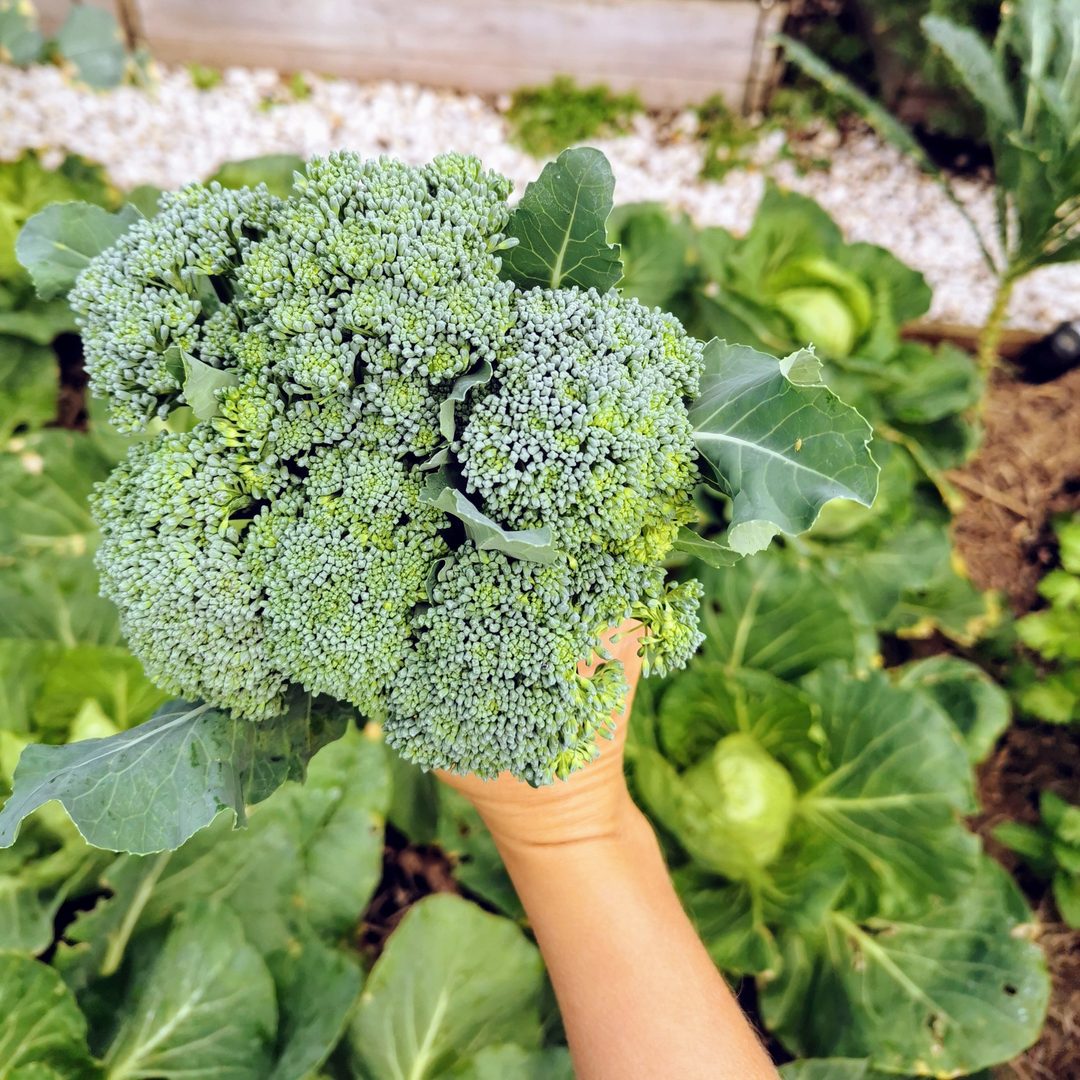


Broccolini needs rich, deep soil. Mix in plenty of well-rotted compost and manure before planting. Firm the soil gently but do not compact it. Good drainage is important to prevent disease.
Learn how to grow Broccolini with this handy guide. Find out the sun requirements, spacing, planting, feeding, and harvesting tips for this delicious vegetable!
 Soil
What soil is good for Broccolini?
 Position
How much sun does Broccolini need?
Plant your Broccolini in a full sun position. Full sun means at least 6-8 hours of direct sunlight each day.
If you plant it in partial sun, the stems will be smaller in size and slower to grow.
 Frost Tolerant
Is Broccolini frost tolerant?
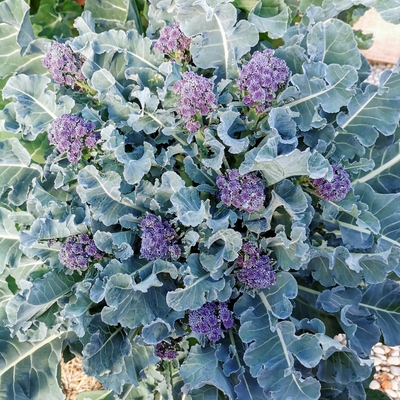
Yes, Purple Broccolini plants are frost tolerant. Light frosts actually improve the flavor by making the stems sweeter.
 Spacing
How much space does Broccolini need?
Space Broccolini plants at least 50cm apart. This gives each plant room to grow and allows good air flow around the leaves.
 Planting
When should I plant Broccolini?
Broccolini is a cool season crop. Plant it in autumn, depending on your climate.
Sow seeds indoors in summer. Transplant the seedlings into the garden in autumn. You can also sow seeds directly in the garden in autumn.
If transplanting, plant out in the early morning or evening. An overcast day is also good. Do not plant at peak sun times or on windy days. This helps your plants settle in and protects them from windburn and sunburn.
 Feeding
What do I feed Broccolini?
Feed Broccolini every 3-4 weeks during the growing season. Use a liquid organic fertiliser, such as fish emulsion.
 Harvesting
When can I harvest Broccolini?
Harvest the central head first, while it is still tight and compact. If you wait too long, the head will loosen and then flower.
After you cut the central head, smaller side shoots will grow. Harvest these side shoots regularly to keep the plant producing.
Use a sharp knife or secateurs to cut each stem cleanly.
 Pests
What pests does Broccolini get?
Pests that can affect your Broccolini include:
- Aphids – hose them off with water or spray with insecticidal soap.
- Cabbage Moth and Cabbage White Butterfly – net plants with fine mesh to stop egg-laying.
- Slugs and Snails – hand pick at dusk or use iron-based pellets.
- Flea Beetle – water seedlings well and cover with fleece, you can also use insect netting over your crop.
- Cabbage Worm, Diamondback Moth, Thrips – check leaves often, remove pests by hand or with strong blast of water from the garden hose.
- Root Knot Nematode – rotate crops each season to reduce build-up in soil.
- Cabbage Looper – pick off caterpillars and use exclusion netting.
Check the undersides of leaves each week. Act fast if you see damage.
 Diseases
What diseases does Broccolini get?
Diseases that can affect your Broccolini plants include these eight common problems.
- Alternaria leaf spot – dark spots with yellow halos on leaves. Remove affected leaves and improve air flow.
- Brassica black rot – yellow V-shaped patches on leaf edges. Pull out infected plants and do not grow brassicas in that spot for 2 years.
- Club root – swollen, distorted roots that stunt growth. Avoid planting in acid soil; keep pH above 7.
- Downy mildew – white fuzzy mould on leaf undersides. Space plants 50cm apart and water at soil level.
- Sclerotinia stem rot – white cottony growth on stems near soil. Remove infected plant debris and rotate crops.
- White rust – white blister-like pustules on leaves. Pick off infected leaves and do not compost them.
- Black leg – dark sunken lesions on stems. Use disease-free seed and avoid planting in cold, wet soil.
- Damping-off – seedlings collapse at soil level. Sow seeds in sterile potting mix and do not overwater.
If you see any of these, act quickly. Remove infected plants and do not compost them. Rotate your brassica crops each year to break the disease cycle.
 Notes
Is there anything else I need to know about Broccolini?
Protect young seedlings from pests as soon as you plant them. Use fine mesh or exclusion netting to stop butterflies from laying eggs on the underside of leaves.
Check under the leaves each week. If you see eggs or small caterpillars, remove them by hand.
Water the soil, not the leaves. This helps prevent disease. Keep the area free of weeds to reduce hiding spots for pests.