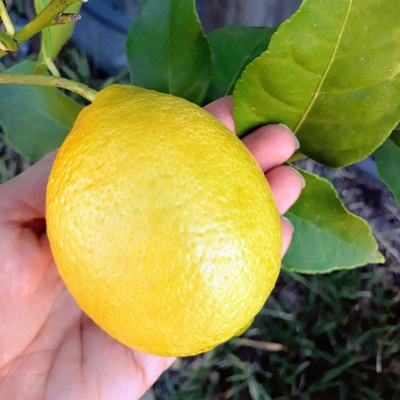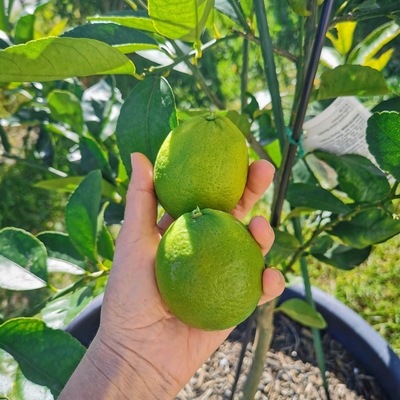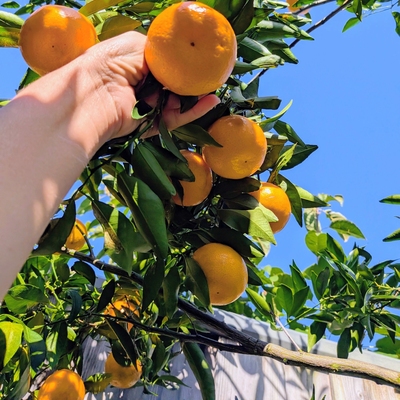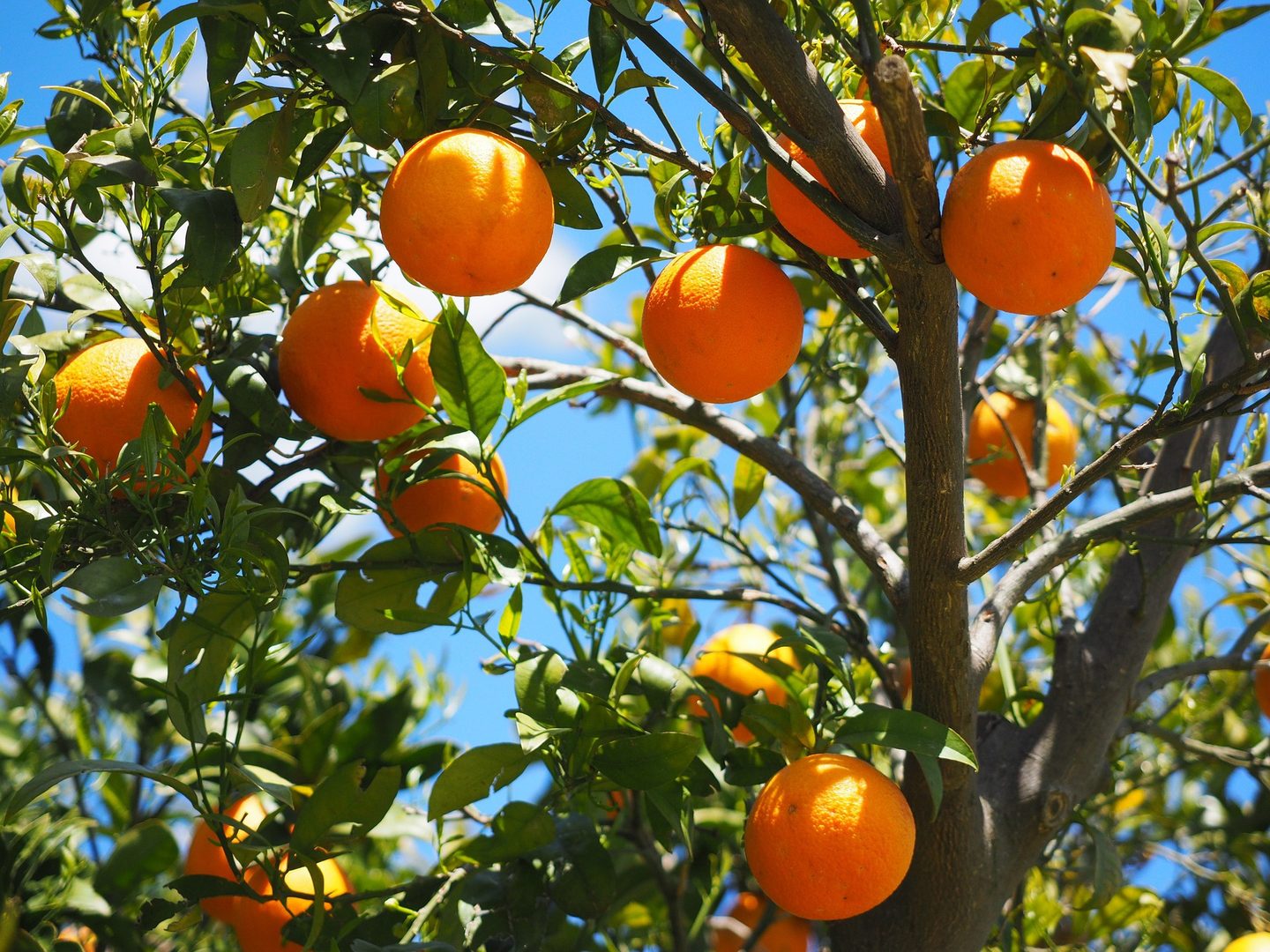

Orange trees need deep, well-draining soil. They will not tolerate waterlogged soil. If the soil stays wet, root rot will develop. Avoid planting in heavy clay unless you have improved the soil. Mix in gypsum and organic matter to break up clay. Mound the soil before planting to improve drainage. The soil should be warm, moist, and rich in compost.
Want to grow your own Orange fruit? Here's all you need to know about planting and growing an Orange tree!
 Soil
What soil is good for Oranges?
 Position
How much sun do Oranges need?
Plant Orange trees in a full sun position. This means at least 6 to 8 hours of direct sunlight each day.
 Frost Tolerant
Are Oranges frost tolerant?
Orange trees are not frost tolerant. If you live in a frost-prone area, plant the tree in a warm, sheltered spot. Cover the tree with frost cloth on cold nights. Do not use plastic, as it traps moisture and damages the tree. For potted oranges, move the container under a verandah or into a garage overnight.
 Spacing
How much space do Oranges need?
Space orange trees at least 5 metres apart. This gives each tree room to grow and allows good air flow between them. Good air flow helps prevent disease. Spacing also depends heavily on your prefered pruning method.
 Planting
When should I plant Oranges?
Orange trees can be planted at any time of the year in frost free gardens. Dig a hole 2-3 times the width of the root ball. The hole must be deep enough so the tree sits at the same soil level as it was in the pot.
Check the crown (where the roots meet the stem) sits level with the soil surface. Fill the hole with soil and press down gently to remove air pockets. Water the tree well after planting.
Plant on an overcast day or in the early morning or evening. Avoid planting during peak sun hours or on windy days. This helps the tree settle in and protects it from sunburn and windburn.
 Feeding
What do I feed Oranges?
Orange trees are heavy feeders. Apply a well-balanced organic citrus food throughout the growing season. Spread the fertiliser evenly around the tree, up to one meter beyond the canopy and water it in well.
Top-dress the soil around the tree with well-rotted organic matter in spring. Add a 2-3 inch layer of mulch around the tree up to the drip line to retain moisture (be careful not to pile mulch against the tree trunk as this may lead to trunk rot and disease). Feed your orange tree with an organic fertiliser every 6-8 weeks during the growing season.
 Harvesting
When can I harvest Oranges?
Grafted Orange trees start to produce crops after two to three years.
Harvest when the fruit is fully ripe and completely orange in colour. The fruit will be slightly soft when squeezed gently. Ripe Oranges will also feel heavy for their size.
Cut the fruit from the tree with secateurs or sharp scissors. Leave a short piece of stem attached to each orange. Do not pull the fruit off, as this can damage the tree.
Oranges ripen over several weeks, so pick fruit as it turns orange. Store harvested oranges in a cool, dark place.
 Pests
What pests do Oranges get?
Pests that affect orange trees include the following. Look for them and treat them early.
- Citrus leaf miner: small moth larvae that make silvery tunnels in leaves. Remove affected leaves and spray with a horticultural oil spray.
- Asian citrus psyllid: tiny sap-sucking insects that spread citrus greening (a disease that kills trees). Control with natural predators like ladybirds and use a horticultural oil spray.
- Swallowtail butterfly (caterpillar): large black and yellow striped grubs that eat leaves. Pick them off by hand.
- Light brown apple moth: larvae that roll and web leaves together. Prune infested growth or use a biological spray such as BT.
- Lemon bud moth: small caterpillars that burrow into buds and new shoots. Prune and destroy damaged tips.
- Weevils: small beetles that chew notches in leaves. Apply a sticky barrier around the trunk to stop them from climbing up the tree.
- Fruit fly: small brown flies that lay eggs in ripening fruit. Hang traps and pick up fallen fruit promptly. Insect netting can also be used to protect the fruit.
- Thrips: tiny slender insects that cause silver streaks on leaves and fruit. Spray with an insecticidal soap spray.
- Scale: hard or soft bumps on stems and leaves that suck sap. Scrape off by hand or spray with insecticidal soap spray.
- Aphids: small green, black or grey insects that cluster on new growth. Blast off with water or use insecticidal soap spray.
- Mealybugs: white fluffy insects in leaf joints that excrete sticky honeydew. Wipe off with a damp cloth or spray with a horticultural oil spray.
- Whitefly: tiny white winged insects that fly up when disturbed. Use yellow sticky traps and encourage natural enemies.
- Ants: they protect sap-sucking pests for their honeydew. Stop ants by applying a sticky barrier to the trunk to stop them from climbing.
- Crusader bugs: shield-shaped insects with a cross on their back that feed on fruit. Hand-pick or spray with pyrethrum.
- Mites: very small red or yellow pests that cause stippled leaves. Spray with an insecticidal soap spray.
- Citrus gall wasp: wasp larvae cause lumpy, woody swellings on stems. Prune and destroy galls before the adults emerge.
- Spined citrus bugs: large, spiky brown bugs that suck sap from stems and fruit. Hand-pick wearing gloves and drop them in a bucket of soapy water.
- Nematodes: microscopic worms in the soil that damage roots. Improve soil health with organic matter and apply beneficial nematodes.
- Stink bugs: shield-shaped bugs that release a strong smell when disturbed. Knock into a bucket of soapy water or use a pyrethrum spray.
 Diseases
What diseases do Oranges get?
Diseases
Orange trees can get several diseases. A healthy tree is less likely to get sick. Water deeply, feed well and prune for good air flow. Here are common diseases and how to manage them.
- Anthracnose – dark spots on leaves and fruit. Remove infected parts.
- Armillaria root rot – a soil fungus that kills roots. Improve drainage. Remove infected trees.
- Black root rot – causes stunted growth. Do not overwater. Plant in well-draining soil.
- Blast – sudden death of twigs and flowers. Prune dead wood. Prune your tree to allow for good airflow.
- Botrytis fungus – grey mould on flowers and fruit. Improve air flow. Remove infected parts.
- Brown rot – fruit turns brown and rotten. Pick fruit early in wet weather. Remove fallen fruit.
- Citrus canker – raised lesions on leaves and fruit. Buy certified disease-free trees. Spray with copper.
- Citrus scab – warty growths on fruit. Apply a natural fungicide, like copper fungicide, at petal fall.
- Greasy spot – yellow spots on leaves that turn greasy. Spray with copper or horticultural oil in summer.
- Huanglongbing (citrus greening) – a deadly bacterial disease spread by psyllids. Use certified trees. Control Asian citrus psyllid.
- Melanose fungus – dark raised spots on fruit and leaves. Prune dead wood. Apply copper after rain.
- Phytophthora fungus – causes root and collar rot. Plant on a mound. Keep trunks dry.
- Sooty mould – black powder on leaves from insect honeydew. Control sap-sucking insects like scale and aphids.
- Stubborn disease – small, misshapen fruit. Remove infected trees. Replant with certified stock.
- Tristeza virus – weakens trees and reduces yield. Use resistant rootstocks. Buy virus-free trees.
 Notes
Is there anything else I need to know about Oranges?
After you harvest the fruit, prune to remove dead, diseased or pest-affected branches. Remove only up to 20% of the canopy. Start with the longest growth. Removing more than 20% will sacrifice next season's crop.