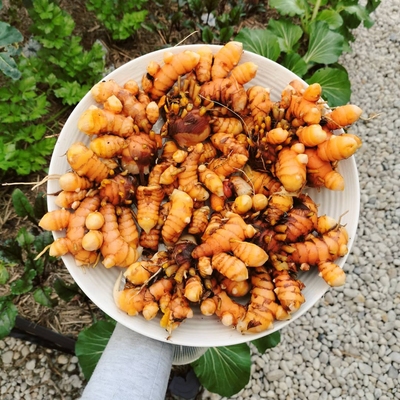


Ginger needs deep, sandy loam soil. Dig in plenty of well-rotted compost before planting. The soil must drain well – ginger rots in waterlogged ground. If your soil stays wet due to poor drainage, grow ginger in a raised bed or large pot.
What you need to know about growing Ginger, including when and how to plant it.
 Soil
What soil is good for Ginger?
 Position
How much sun does Ginger need?
Ginger needs a spot with part sun or filtered sun. In hot climates, protect Ginger from strong afternoon sun. Too much direct sun can scorch the leaves.
 Frost Tolerant
Is Ginger frost tolerant?
Ginger cannot survive frost. If a frost is forecast, protect your plants with frost cloth or thick mulch. In cold climates, grow Ginger in a pot so you can move it indoors over winter.
 Spacing
How much space does Ginger need?
Space ginger rhizomes 25 to 30 cm apart. This gives each plant enough room to grow new rhizomes underground.
 Planting
When should I plant Ginger?
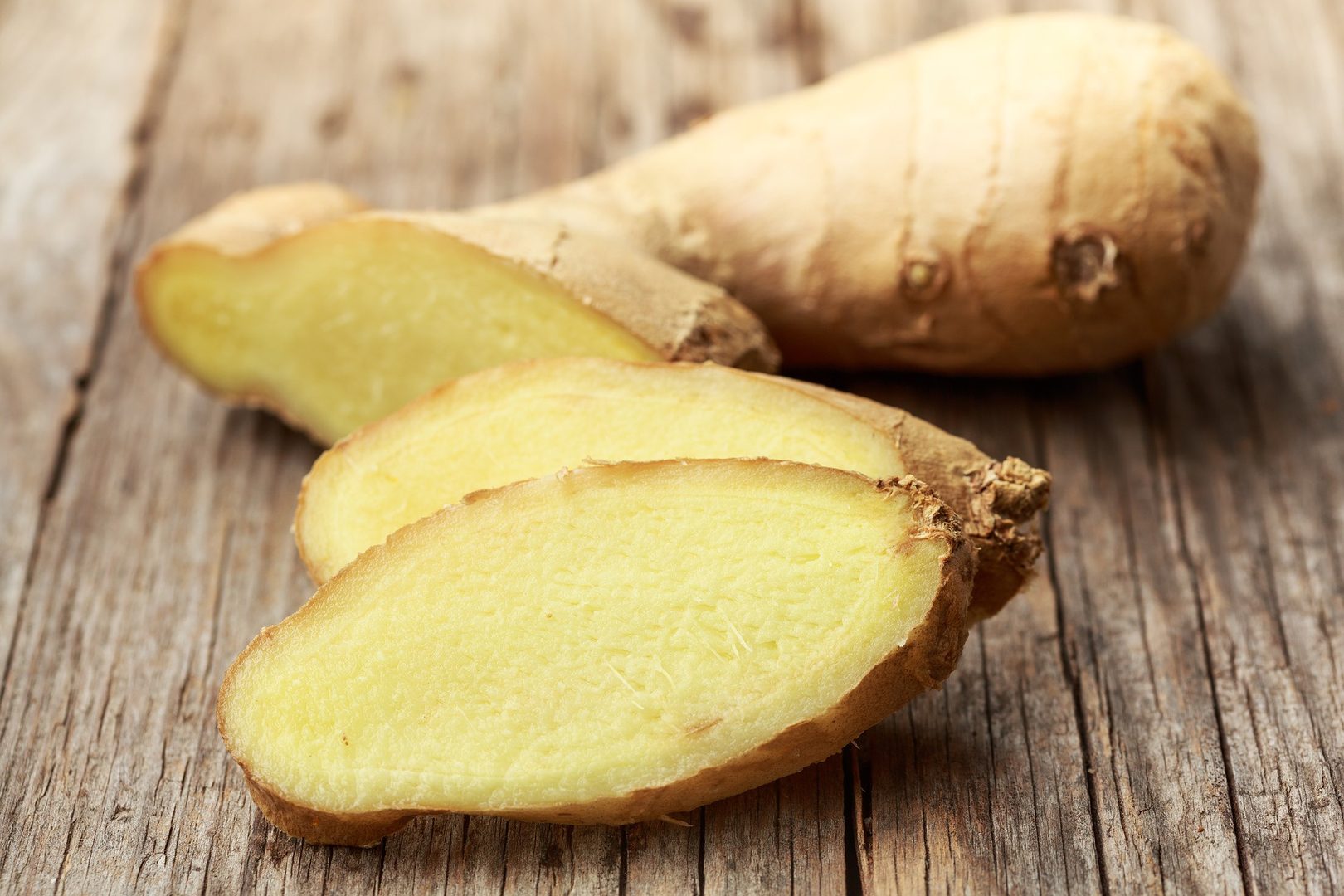
Plant ginger in spring once the soil warms to at least 20°C. Choose plump, firm rhizomes with several growth buds (eyes). Cut large rhizomes into pieces, each with one or two buds. Let the cut pieces dry for one day before planting. This stops them from rotting.
Plant each piece 5 cm deep with the buds pointing up. Space them 25–30 cm apart. Water the soil well after planting. Shoots will appear in 2 to 3 weeks if the soil stays warm.
 Feeding
What do I feed Ginger?
Feed ginger regularly during the growing season. Apply a liquid organic fertiliser every two to three weeks. Use a fertiliser that is higher in potassium for strong rhizome growth. Mulch (a layer of straw or bark on the soil) around the plants to keep the soil moist and cool. Keep the mulch 2 to 5cm deep. Water the plants well after feeding.
 Harvesting
When can I harvest Ginger?
Harvest young ginger 4-6 months after it sprouts. Look for small side shoots coming off the main plant. This is an indication that new rhizomes have formed. Harvest by gently moving the soil away to expose the rhizomes. Break off small pieces as needed throughout the growing season.
Harvest mature ginger when the plant begins to die back in late autumn or winter. This happens at least 10 months after planting. Ensure that your ginger has been harvested before the first frost.
 Pests
What pests does Ginger get?
Pests that affect ginger include Aphids, Slugs, Snails, Root Knot Nematodes, Burrowing Nematodes and Chinese Rose Beetle. Here is how to manage them:
- If you see Aphids, spray them off with water or use an insecticidal soap.
- Pick Slugs and Snails off by hand or set out beer traps or organic pellets.
- Nematodes live in the soil. Prevent them by rotating your ginger patch each year.
- Chinese Rose Beetle chews leaves at night. Handpick them or use insect netting.
 Diseases
What diseases does Ginger get?
Diseases that affect Ginger include Bacterial Wilt, Rhizome Rot, Alligator Skin, and Dry Rot.
- Bacterial Wilt: Leaves turn yellow and collapse. Remove infected plants. Do not plant ginger in the same spot for two years.
- Rhizome Rot: Soft, smelly rhizomes. Caused by waterlogged soil. Improve drainage and avoid overwatering.
- Alligator Skin: Thick, cracked skin on rhizomes. Often due to temperature swings or dry conditions. Keep soil consistently moist.
- Dry Rot: Sunken, dry patches on rhizomes. Use clean, disease-free seed ginger. Rotate crops.
 Troubleshooting
How do I troubleshoot my growing problems?
Tall Ginger plants may need protection from strong winds to prevent them from snapping.