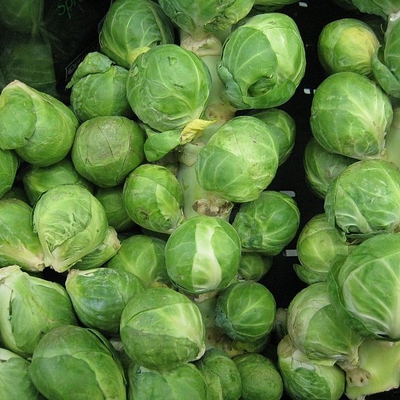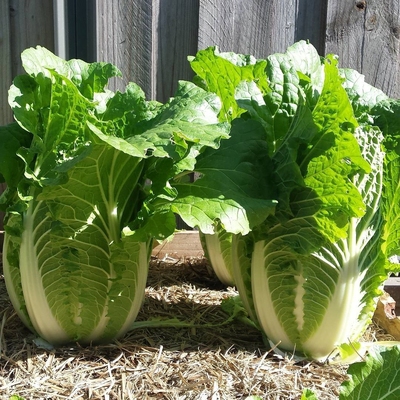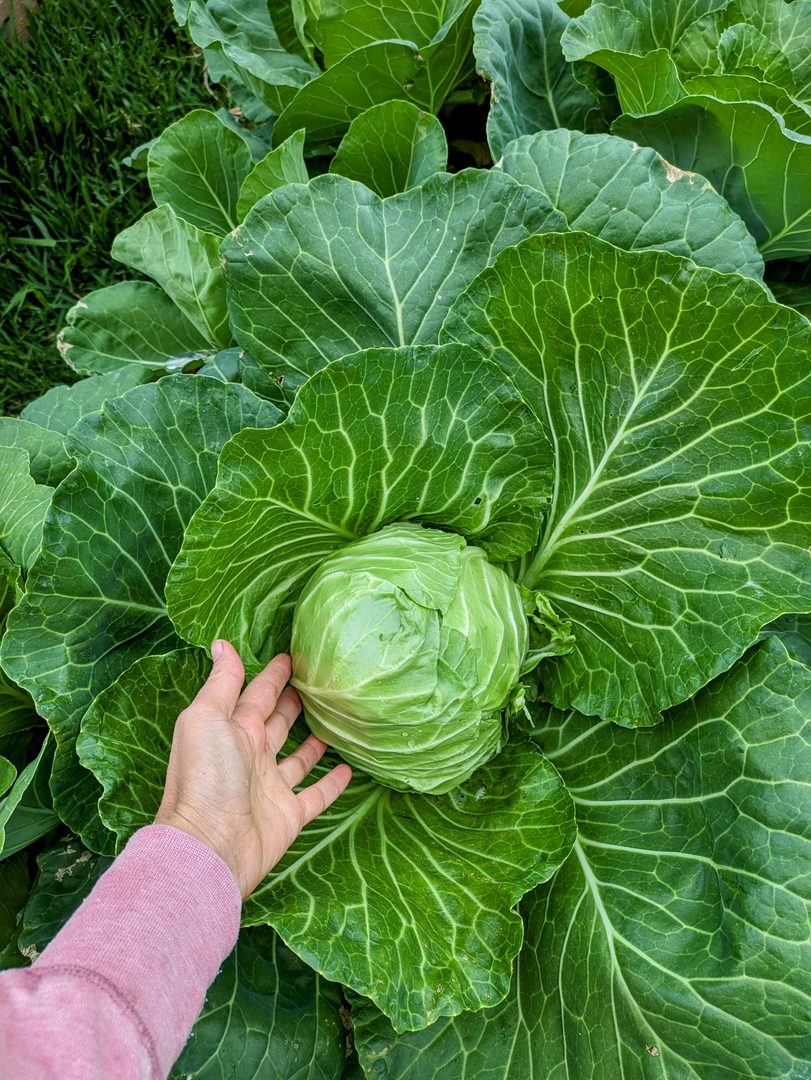


Cabbage needs rich, deep soil. Mix in plenty of well-rotted compost and manure before planting. Firm the soil around plants and ensure good drainage.
A detailed guide on growing Cabbage at home. Contains information about sun requirements, spacing, notes, planting, feeding and more!
 Soil
What soil is good for Cabbage?
 Position
How much sun does Cabbage need?
Cabbage needs full sun. That means at least 6-8 hours of direct sunlight each day.
If you live in a hot climate, choose a position with light shade during the hottest part of the day.
 Frost Tolerant
Is Cabbage frost tolerant?
Cabbage plants will survive a light frost. If a hard frost is forecast, cover the plants with a frost cloth overnight. Remove the cloth the next morning. Cabbage grown through a frost is often sweeter.
 Spacing
How much space does Cabbage need?
Plant Cabbage around 40-50cm apart, this gives the heads plenty of room to develop.
 Planting
When should I plant Cabbage?
Cabbage is a cool season crop. Plant it in autumn for most climates.
Sow seeds indoors in summer for an early start. Transplant seedlings in autumn. You can also sow seeds directly in autumn.
If you transplant, do it in the early morning or evening. Choose an overcast day. Avoid planting in peak sun or on windy days. This helps the plants settle in without stress.
 Feeding
What do I feed Cabbage?
Apply an organic fertiliser to your Cabbage plants throughout the season.
 Harvesting
When can I harvest Cabbage?
Harvest your cabbage when the head feels firm and solid. Squeeze it gently to check.
If the head splits open, harvest it right away. Splitting happens after heavy rain or too much water, or towards the end of the season when the weather starts to warm. A split head is still edible, but it will not store well.
Harvest before the weather gets very hot in spring. Hot weather can make the head bolt (send up a flower stalk) and turn bitter.
 Pests
What pests does Cabbage get?
Pests that can affect Cabbage plants include: Aphids, Slug, Snail, Cabbage Moth, Cabbage White Butterfly, Diamondback Moth, Flea Beetle, Cabbage Worm, Thrips, Root Knot Nematode, Cabbage Looper.
Check your plants every few days. Look on the underside of leaves for eggs or small insects. If you see pests, remove them by hand or spray with a blast of water.
Slugs and snails eat leaves at night. Set beer traps or use organic pellets if needed. For cabbage butterflies and moths, cover plants with fine mesh netting at planting time.
 Diseases
What diseases does Cabbage get?
Diseases that can affect Cabbage plants include: Alternaria Leaf Spot, Brassica Black Rot, Club Root, Downy Mildew, Sclerotinia Stem Rot, White Rust, Black Leg, and Damping-off.
Most diseases start in wet, crowded soil. Prepare your soil with compost before planting, ensuring good drainage. Space plants 40-50cm apart so air flows freely between them. Water at the base of the plant, not on the leaves. This keeps leaves dry and stops disease from spreading.
 Notes
Is there anything else I need to know about Cabbage?
Cabbage plants will only produce one head. Once harvested, you can remove the plant from the ground.
 Troubleshooting
How do I troubleshoot my growing problems?
Protect Cabbage seedlings from pests at the time of planting.
Use fine mesh or exclusion netting to prevent white butterflies from laying eggs on the underside of leaves, caterpillars can be detrimental to this plant.