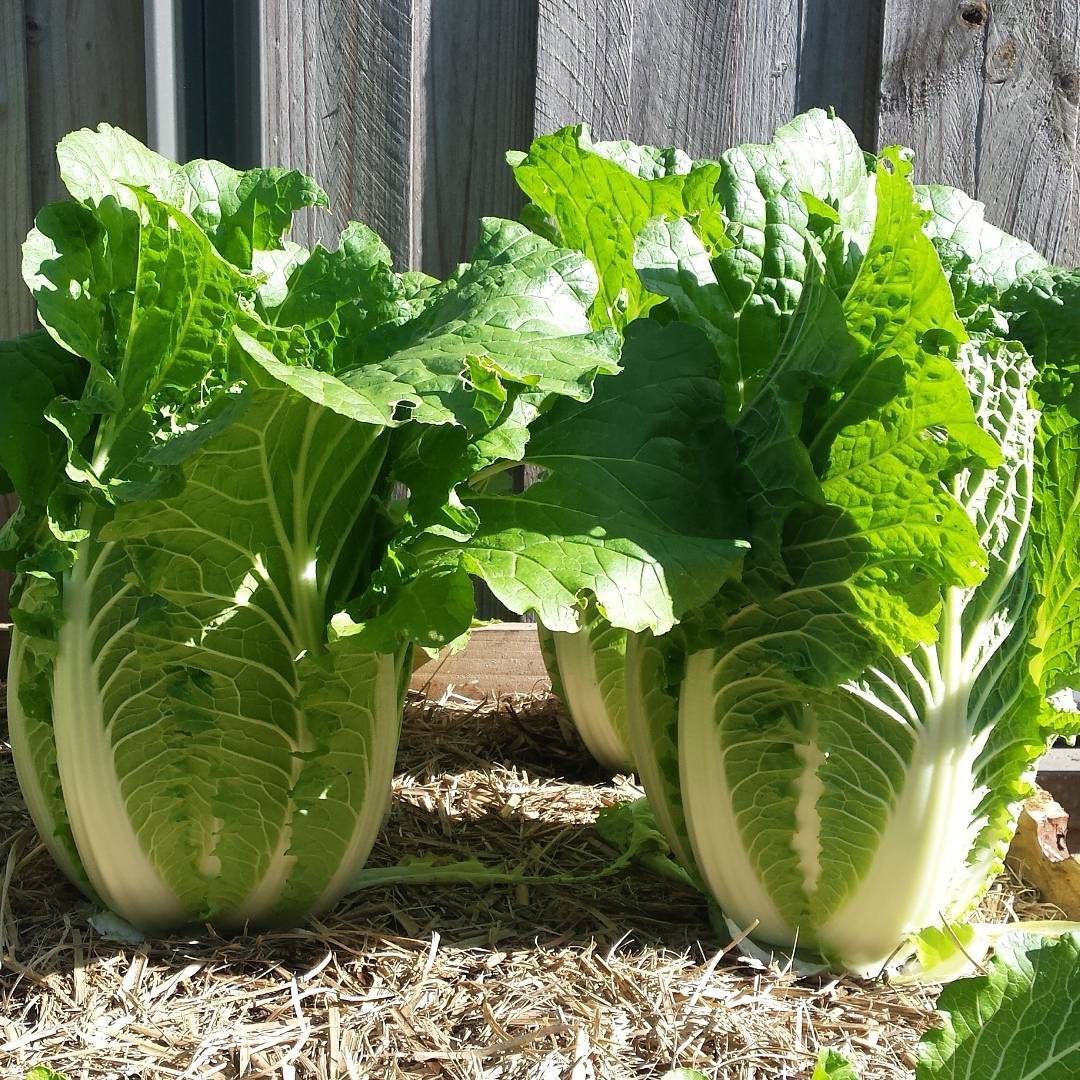


Plant Wombok in rich, deep soil. Dig in plenty of well-rotted compost and manure before planting. Soil should hold moisture but drain well. If your soil is heavy clay, add some coarse sand and aged compost to improve drainage, or plant in a raised garden bed.
Learn how to grow Wombok Cabbage with this easy guide. Get sun requirements, spacing information, planting tips, feeding instructions, and when to harvest.
 Soil
What soil is good for Chinese Cabbage (Wombok)?
 Position
How much sun does Chinese Cabbage (Wombok) need?
Grow Wombok in a spot that gets full sun. It needs at least 6 hours of direct sunlight each day. With less sun, the plant will still grow but the head may be smaller. Wombok can handle light shade in the afternoon.
 Frost Tolerant
Is Chinese Cabbage (Wombok) frost tolerant?
Wombok tolerates light frost. In most areas, it grows through autumn and into winter. Protect plants from hard or repeated frosts. Use frost cloth or row cover if a heavy frost is forecast. Remove the cover the next morning. This keeps the heads healthy and prevents damage.
 Spacing
How much space does Chinese Cabbage (Wombok) need?
Space Wombok plants 40 to 50 centimetres apart. This gives each cabbage room to form a full head. If planting in rows, space rows 50 centimetres apart. Crowded plants produce smaller heads.
 Planting
When should I plant Chinese Cabbage (Wombok)?
Wombok is a cool weather crop. Sow seeds indoors in late summer, or directly in the garden in autumn. Transplant seedlings out in autumn.
Transplant in the early morning or evening. Overcast days are best. Avoid planting during peak sun or on windy days. This helps your seedlings settle in without stress.
Plant seedlings at the same depth they were in the pot. Firm the soil gently around the roots. Water well after planting.
 Feeding
What do I feed Chinese Cabbage (Wombok)?
Feed Wombok plants every 3-4 weeks with a liquid organic fertiliser. Start feeding two weeks after transplanting. Stop feeding two weeks before harvest.
 Harvesting
When can I harvest Chinese Cabbage (Wombok)?
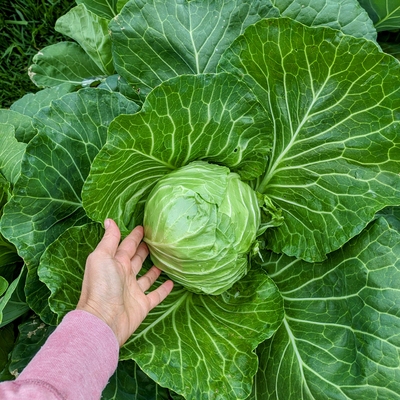
Harvest Wombok when the head is firm and feels solid when you squeeze it. A loose head means the plant is not ready. Cut the stem about 2 cm above the ground with a sharp knife. Remove any damaged outer leaves after harvest. Store whole heads in the crisper drawer of your fridge for up to two weeks.
 Pests
What pests does Chinese Cabbage (Wombok) get?
Pests that affect Wombok include: Aphids, Snails, Slugs, Cabbage Moth, Cabbage White Butterfly, Diamondback Moth, Flea Beetle, Cabbage Root Fly, Cutworm, Armyworm, Cabbage Looper, Cabbage Worm, Thrips, Root Knot Nematode, and 28 Spotted Ladybug.
- Aphids are small sap-sucking insects. Spray them off with water or use an insecticidal soap.
- Slugs and Snails chew holes in leaves. Handpick them at night or use iron-based organic pellets.
- Cabbage Moth and Cabbage White Butterfly lay eggs that become caterpillars. Cover plants with fine mesh or exclusion netting from planting.
- Flea Beetle makes small round holes in leaves. Keep soil moist and use a floating row cover if needed.
- Cutworm and Armyworm cut stems at soil level. Place a collar around each seedling at planting.
- Thrips cause silvery streaks on leaves. Spray with insecticidal soap.
 Diseases
What diseases does Chinese Cabbage (Wombok) get?
Diseases are less common if you give Wombok the right conditions. Prepare your soil well before planting and provide adequate spacing between plants to avoid disease.
- Club Root swells the roots and stunts growth. Improve soil drainage.
- Black Rot turns leaves yellow and veins black. Remove infected plants straight away. Do not compost them.
- Downy Mildew shows as mold on leaf undersides. Space plants 40-50 cm apart for good airflow.
- Soft Rot makes the head slimy and smelly. Avoid overhead watering. Water at the base of the plant.
 Troubleshooting
How do I troubleshoot my growing problems?
Protect young Wombok seedlings with fine mesh or exclusion netting at planting time. This stops white butterflies from laying eggs on the underside of leaves and damaging your plants.
Slugs and snails can destroy young plants. Check the Pests Guide for control methods such as beer traps or hand picking at night.