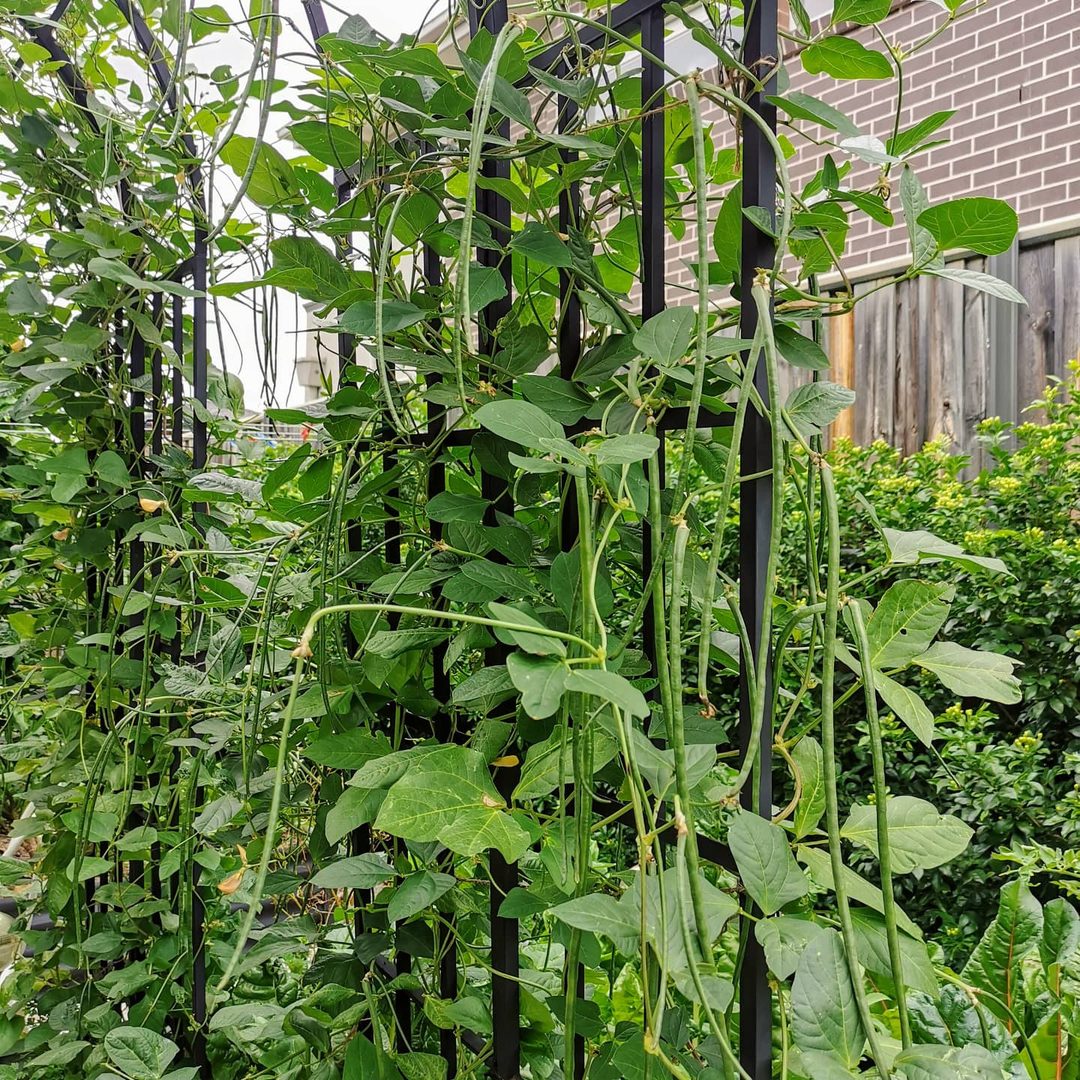


Climbing Beans require rich, well draining soil, with plenty of added compost to retain moisture.
Find out everything you need to know about growing Climbing Beans, from sun requirements to spacing all the way through to harvesting.
 Soil
What soil is good for Climbing Beans?
 Position
How much sun do Climbing Beans need?
Plant Climbing Beans in a spot that gets at least 6 hours of direct sun each day. They will grow in partial shade, but the harvest will be smaller. Provide afternoon shade as needed in hot climates.
 Frost Tolerant
Are Climbing Beans frost tolerant?
No, Climbing Beans are not frost tolerant.
 Spacing
How much space do Climbing Beans need?
Plant Climbing Beans 20cm apart.
 Planting
When should I plant Climbing Beans?
Sow Climbing Bean seeds in spring once the soil has warmed and once all danger of frost has passed.
Beans grow best when soil temperatures are between 15.5 and 29°C (60–85°F).
Beans come in many different varieties, follow the directions on the seed packet for depth of sowing.
If planting from seedling, plant out in the early morning or evening and/or on an overcast day. Avoid planting at peak sun times or on windy days, this will allow your plants to settle in comfortably and protect them from windburn and sunburn.
Climbing Beans will need a support structure such as a trellis to climb up.
 Feeding
What do I feed Climbing Beans?
Mix compost into the soil before planting. Compost adds nutrients beans need.
After planting, add a thin layer of mulch (straw or bark) around the base. Mulch keeps soil moist and cool.
Beans usually do not need extra fertiliser. Too much nitrogen makes leaves grow but stops pods from forming. If plants show signs of deficiency, apply an organic liquid fertiliser that is low in nitrogen.
 Harvesting
When can I harvest Climbing Beans?
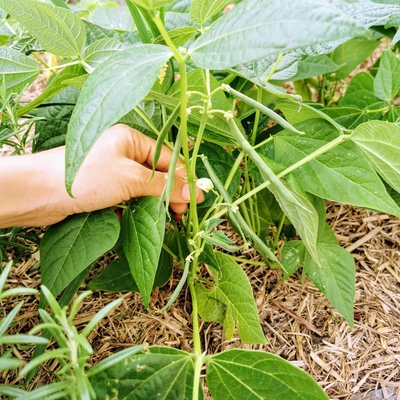
Harvest bean pods when they are firm and snap easily, before seeds bulge inside. If pods feel tough or stringy, you have waited too long. Pick every few days to encourage more flowers and pods. Use both hands: hold the stem with one hand and pull the pod gently with the other. Harvesting regularly keeps the plant producing for weeks.
 Pests
What pests do Climbing Beans get?
Pests that affect Climbing Beans include: Aphids, Mites, Cutworm, Slug, Snail, Thrips, Armyworm, Corn Earworm, Leafminer, Looper, Mexican Beetle, Stinkbugs, Spider Mites, Leafhopper, 28 Spotted Ladybug, Flea Beetles, Mealybug.
Check your plants weekly for these pests. Look under the leaves and near new growth. If you find a pest, remove it by hand or spray it off with water. For slugs and snails, set beer traps around your beans or use organic pellets. For heavy infestations, use an insecticidal soap spray. Keep your garden clean to reduce pest hiding spots.
 Diseases
What diseases do Climbing Beans get?
Diseases that affect Climbing Beans include: Mosaic Virus, Powdery Mildew, Root Rot, Rust, Leaf Spot, Anthracnose, White Mold, Blight, and Damping-off.
Prevent diseases by watering at the base of the plant, not overhead. Wet leaves can spread fungus. Space plants 20cm apart for good airflow. Remove any diseased leaves or plants right away.
 Notes
Is there anything else I need to know about Climbing Beans?
Climbing Beans need a structure to climb, like a trellis or teepee. Set up the support before you plant the seeds.
Water the plants often to keep the shallow roots from drying out. If rain is scarce, give them a deep soak twice a week.